
Exploring the Transformative Power of Global Sound Healing Techniques

Sound healing has gained attention worldwide as a powerful method to support mental, emotional, and physical well-being. Across cultures, people have used sound to promote relaxation, reduce stress, and foster healing. This blog post explores various global sound healing techniques, their origins, and how they can transform your health and mindset.

What Is Sound Healing?
Sound healing uses vibrations and tones to influence the body and mind. These sounds can come from instruments, voice, or natural sources. The idea is that sound waves affect the body’s energy fields and brainwaves, helping to restore balance and promote healing.
Many cultures have developed unique sound healing practices. These methods often involve repetitive sounds, chanting, or specific instruments believed to carry healing properties. The goal is to create a state of deep relaxation and mental clarity.
Traditional Sound Healing Practices Around the World
Tibetan Singing Bowls
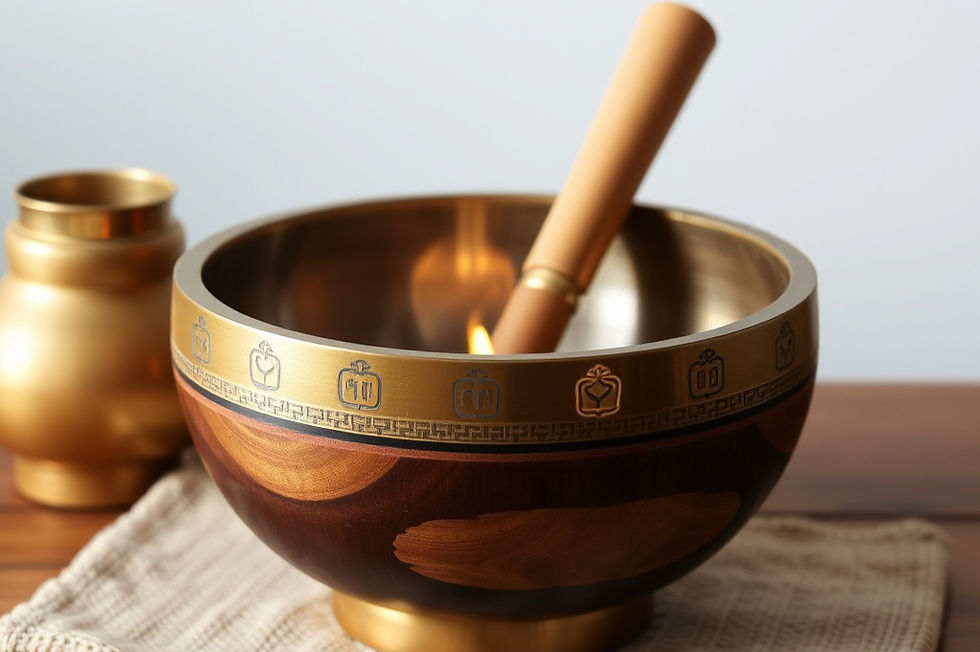
Originating from the Himalayan region, Tibetan singing bowls produce rich, harmonic tones when struck or circled with a mallet. These sounds are said to promote relaxation and reduce anxiety. Practitioners use them during meditation or healing sessions to help balance energy centers in the body.

Aboriginal Didgeridoo
The didgeridoo is an ancient wind instrument from Indigenous Australian culture. Its deep, resonant drone is used in ceremonies and healing rituals. The vibrations are believed to stimulate the body’s cells and promote physical and emotional healing.
Indian Mantras and Nada Yoga
In India, chanting mantras is a central part of spiritual and healing traditions. Nada Yoga, the yoga of sound, focuses on using vocal sounds to align the mind and body. Repeating specific sounds or syllables can calm the nervous system and enhance concentration.
African Drumming Circles
In many African cultures, drumming circles serve as communal healing spaces. The rhythmic beats encourage group cohesion and emotional release. The repetitive drumming can induce trance-like states, helping participants access deeper levels of consciousness.
How Sound Healing Works on the Body and Mind
Sound healing influences the body through several mechanisms:
Brainwave Entrainment
Certain sounds can synchronize brainwaves, shifting the mind into states of relaxation or focus. For example, slow rhythmic tones encourage alpha or theta brainwaves, which are linked to calmness and creativity.
Vibrational Therapy
Sound waves create vibrations that resonate with body tissues. These vibrations may help release tension and improve circulation.
Emotional Release
Sound can evoke emotions and memories, allowing people to process feelings in a safe environment.
Stress Reduction
Listening to soothing sounds lowers cortisol levels, reducing stress and promoting better sleep.

Modern Applications of Sound Healing
Today, sound healing is used in various settings beyond traditional rituals:
Wellness Centers and Spas
Many spas offer sound baths where participants lie down while instruments like crystal bowls or gongs are played. These sessions aim to induce deep relaxation.
Therapeutic Settings
Some therapists incorporate sound healing into treatments for anxiety, PTSD, and chronic pain. While research is ongoing, many clients report positive effects.
Yoga and Meditation Classes
Sound healing often complements yoga and meditation practices, helping practitioners deepen their experience.
Personal Practice
People use recorded sound healing tracks or instruments at home to manage stress and improve focus.

Practical Tips to Experience Sound Healing
If you want to explore sound healing, here are some ways to start:
Attend a Sound Bath or Workshop
Look for local events featuring singing bowls, gongs, or drumming circles.
Use Guided Sound Healing Recordings
Many apps and websites offer tracks designed to promote relaxation or sleep.
Try Chanting or Humming
Simple vocal sounds can have a calming effect. Experiment with repeating a mantra or humming a steady tone.
Incorporate Instruments
If you play an instrument like a drum or flute, use it mindfully to create soothing sounds.
Create a Quiet Space
Find a comfortable, quiet place where you can focus on the sounds without distractions.

Scientific Insights and Research
Research on sound healing is growing but still limited. Some studies show that sound therapy can reduce anxiety and improve mood. For example, a 2016 study found that participants who experienced a gong bath reported lower stress levels and better sleep quality.
Brain imaging research also suggests that certain sounds can alter brainwave patterns, supporting relaxation and meditation. However, more rigorous clinical trials are needed to fully understand the benefits and mechanisms.
Challenges and Considerations
While sound healing is generally safe, keep these points in mind:
Not a Replacement for Medical Treatment
Sound healing should complement, not replace, professional medical care.
Individual Responses Vary
Some people may find sound healing very effective, while others may not notice much change.
Quality of Practitioners
Choose experienced and reputable sound healers to ensure a positive experience.
Hearing Sensitivity
Loud or high-pitched sounds can be uncomfortable for some individuals.
The Future of Global Sound Healing
As interest in holistic health grows, sound healing continues to spread across cultures and communities. New technologies like binaural beats and sound frequency generators expand the possibilities for personal and group healing.
Integrating traditional wisdom with modern science may lead to more effective and accessible sound healing practices. This fusion can help people worldwide find balance, reduce stress, and improve well-being through the power of sound.


Comments