
Stress Relief Yoga Tips: How Yoga Helps Relieve Stress

Stress is a part of life, but it doesn’t have to control us. I have found that yoga offers a powerful way to manage stress and bring calm into daily life. Through gentle movements, mindful breathing, and focused attention, yoga creates space for relaxation and mental clarity. If you are looking for practical ways to reduce tension and feel more balanced, this post will guide you through how yoga helps relieve stress and share some effective stress relief yoga tips.
Understanding Stress and Its Impact
Stress affects both the mind and body. When we feel overwhelmed, our nervous system goes into overdrive. This triggers the release of stress hormones like cortisol and adrenaline. While these hormones help us respond to immediate challenges, prolonged stress can lead to fatigue, anxiety, and even physical health problems.
Yoga offers a way to interrupt this cycle. By slowing down the breath and moving the body mindfully, yoga activates the parasympathetic nervous system - the part responsible for rest and recovery. This shift helps lower heart rate, reduce muscle tension, and calm the mind.
Stress relief yoga tips start with recognising how stress shows up in your body. Common signs include:
Tight shoulders or neck
Shallow breathing
Racing thoughts
Difficulty sleeping
Once you notice these signs, you can use yoga as a tool to ease them.

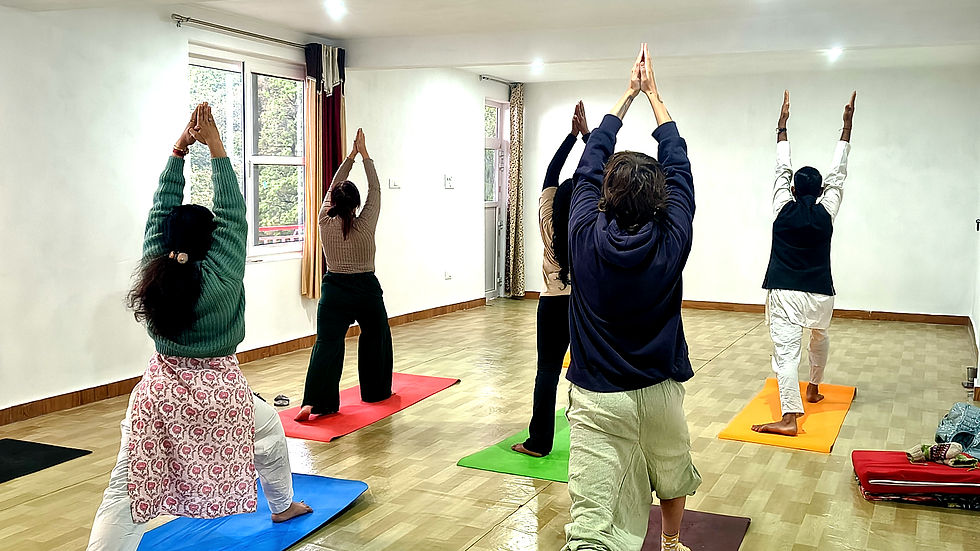
Find your inner calm with Stress Relief Yoga – breathe deeply, release tension, and restore peace to
Stress Relief Yoga Tips to Try Today
Starting a yoga practice for stress relief doesn’t require hours or special equipment. Here are some simple tips to help you get started:
Focus on Breath Awareness
Begin with deep, slow breaths. Inhale through your nose for a count of four, hold for four, then exhale for four. This rhythmic breathing calms the nervous system instantly.
Incorporate Gentle Poses
Choose poses that open the chest and release tension in the shoulders and back. Examples include Child’s Pose, Cat-Cow, and Legs-Up-The-Wall. These poses encourage relaxation and improve circulation.
Create a Quiet Space
Find a peaceful spot where you won’t be disturbed. Dim the lights or light a candle to set a soothing atmosphere.
Practice Mindfulness
Stay present with each movement and breath. If your mind wanders, gently bring your attention back to the sensations in your body.
Set a Consistent Routine
Even 10-15 minutes daily can make a difference. Consistency builds resilience against stress over time.
By integrating these stress relief yoga tips into your routine, you can cultivate a habit that supports your mental and physical wellbeing.
Can Yoga Reduce Stress?
Absolutely. Yoga reduces stress by combining physical activity with mindfulness. When you practice yoga, your body releases endorphins - natural mood boosters. At the same time, the focus on breath and movement helps quiet the mind’s chatter.
Scientific studies support these benefits. Regular yoga practice has been shown to lower cortisol levels and improve symptoms of anxiety and depression. It also enhances sleep quality, which is often disrupted by stress.
One of the reasons yoga is so effective is its holistic approach. It addresses the root causes of stress, not just the symptoms. By improving flexibility, strength, and balance, yoga helps the body handle stress better. Meanwhile, meditation and breathing exercises train the mind to stay calm under pressure.
If you want to deepen your understanding, consider exploring yoga for stress relief practices that combine movement, breath, and meditation.

Practical Yoga Poses for Stress Relief
Here are some effective yoga poses that you can practice anytime you feel stressed:
Child’s Pose (Balasana)
Kneel on the floor, sit back on your heels, and stretch your arms forward. Rest your forehead on the mat. This pose gently stretches the back and hips while promoting relaxation.
Cat-Cow Pose (Marjaryasana-Bitilasana)
On hands and knees, alternate arching your back (Cat) and dipping it (Cow) with your breath. This movement releases tension in the spine and improves circulation.
Legs-Up-The-Wall Pose (Viparita Karani)
Lie on your back with your legs extended up against a wall. This pose reduces swelling in the legs and calms the nervous system.
Standing Forward Bend (Uttanasana)
From standing, fold forward at the hips, letting your head hang heavy. This pose stretches the hamstrings and neck, relieving stress and fatigue.
Seated Forward Bend (Paschimottanasana)
Sit with legs extended and reach toward your feet. This pose calms the mind and stretches the spine.
Try holding each pose for 3-5 minutes while focusing on slow, deep breaths. These simple movements can quickly ease physical and mental tension.
Breathing Techniques to Calm the Mind
Breath control, or pranayama, is a cornerstone of yoga practice. It directly influences the nervous system and can be used anytime to reduce stress. Here are two easy techniques to try:
4-7-8 Breathing
Inhale quietly through your nose for 4 seconds. Hold your breath for 7 seconds. Exhale completely through your mouth for 8 seconds. Repeat 4 times. This technique slows the heart rate and promotes relaxation.
Nadi Shodhana (Alternate Nostril Breathing)
Close your right nostril with your thumb and inhale through the left nostril. Close the left nostril with your ring finger and exhale through the right. Inhale through the right, then switch and exhale through the left. Continue for several rounds. This balances the nervous system and clears the mind.
Incorporating these breathing exercises into your daily routine can help you manage stress more effectively.
Embracing Yoga as a Lifestyle for Stress Management
Yoga is more than just a set of poses - it is a lifestyle that encourages balance, self-awareness, and compassion. When you commit to regular practice, you develop tools to face life’s challenges with greater ease.
Here are some ways to embrace yoga beyond the mat:
Practice Mindful Living
Pay attention to your thoughts, emotions, and actions throughout the day. Respond rather than react to stressors.
Prioritise Self-Care
Make time for rest, nourishing food, and activities that bring you joy.
Connect with a Community
Join a yoga class or online group to share experiences and support each other.
Keep Learning
Explore yoga philosophy and meditation to deepen your understanding.
By integrating these principles, you create a foundation for lasting stress relief and wellbeing.
Yoga offers a gentle yet powerful path to reduce stress and cultivate inner peace. Whether you are new to yoga or deepening your practice, these stress relief yoga tips can help you find calm in a busy world. Remember, the key is consistency and kindness towards yourself. Start small, breathe deeply, and let yoga guide you to a more balanced life.


Comments